







Search Results for: Round Bean
Yunnan coffee bean purchase prices climb to 35 yuan per kilogram, ushering in a critical window for industry recovery
In the past two to three years, affected by the pandemic, the logistics and inventory of imported coffee beans encountered obstacles, while the price of Yunnan's local coffee beans gained upward support as a result, injecting a rare boon into local coffee enterprises. Looking back ten years, Yunnan coffee bean prices were depressed for a long time, and growers' confidence was shaken. Today, the purchase price of 35 yuan/kg has broken through historical levels. Hu Lu, deputy secretary-general of the Yunnan Coffee Industry Association, pointed out that this price is undoubtedly a shot in the arm for the Yunnan coffee industry, which is in a winter period. If this price level can be stably maintained for three to five years, the whole province is expected to set off a new round of planting enthusiasm. At the same time, the market expects this round of increases to continue until June or July, when Brazil and Colombia enter their harvest seasons, and changes in output may trigger a new round of fluctuations. Front Street Coffee reminds enthusiasts to pay attention to developments in producing areas and to grasp the dual changes in flavor and price. [more…]
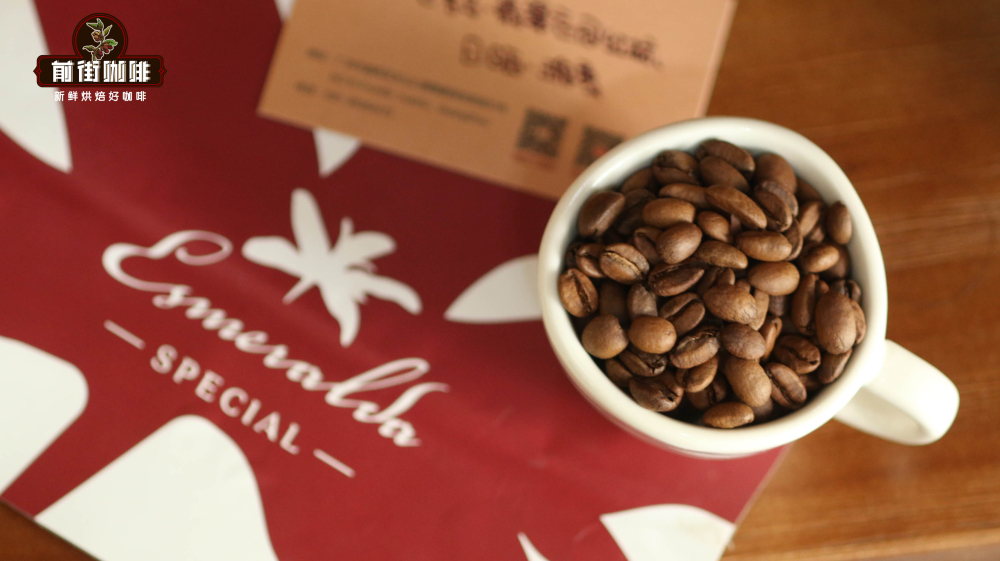
Coffee Varieties Illustrated | What Are the Taste and Shape Differences Between the Three Major Coffee Bean Species? How to Quickly Identify Coffee Bean Varieties? Are Ethiopian Heirloom and Geisha the Same Species of Coffee?
Every variety of coffee beans has different bean appearance (bean外貌) characteristics. In this article, Front Street will guide everyone through coffee bean appearance to identify coffee bean varieties, and what flavor characteristics do different coffee varieties have? ~| Typica (Typica) Typica originated in Ethiopia and southeastern Sudan. [more…]
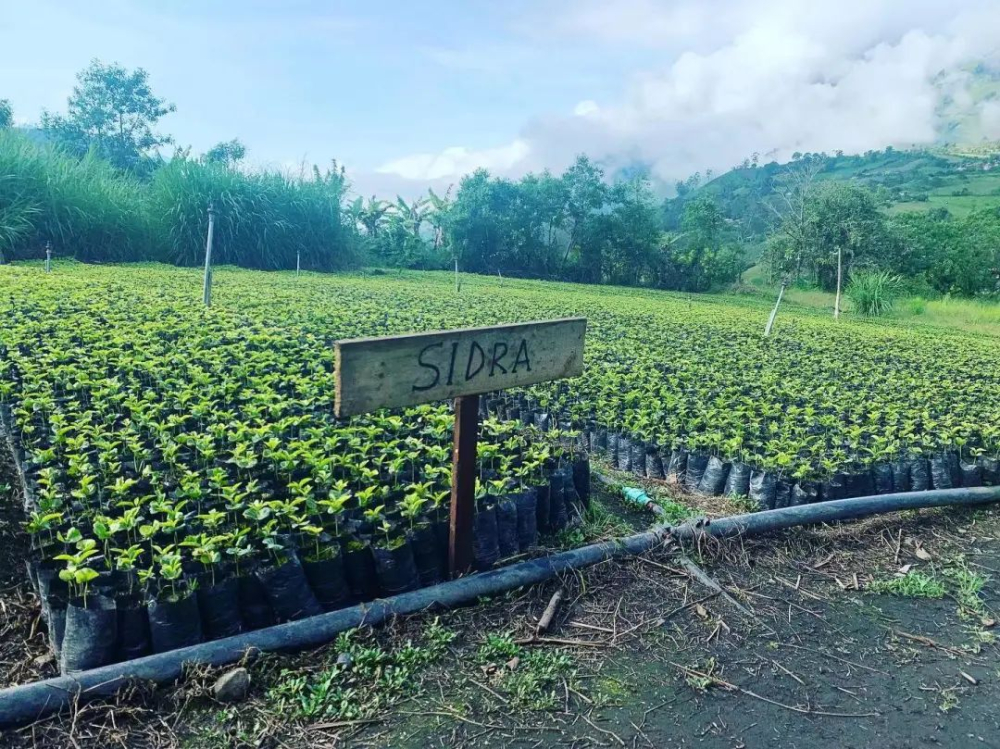
Colombian Sidra Coffee Beans | Flavor Characteristics of Anaerobic Fermentation Sun-Dried Sidra Coffee Beans and Introduction to the Sidra Coffee Variety
"Variety" is another consideration some friends use when selecting coffee beans, in addition to flavor and origin. Sidra, transliterated from "Sidra," also known as "Sydra" or "Bourbon Sidra." In Spanish, Sidra means "apple juice." [more…]
A Comprehensive Analysis of the Definition of Specialty Coffee and the Main Cultivated Varieties of Arabica
Specialty coffee is centered on carefully cultivated high-altitude Arabica, and its varietal system originates from two ancient bloodlines: Typica from Ethiopia and Bourbon from Yemen. This article systematically outlines the definition of specialty coffee and provides a detailed classification of major Arabica varieties, including Typica, Bourbon and their genetic mutations, intraspecific hybrids, and interspecific hybrids. It covers varieties such as Bourbon Pointu, Maragogipe, Geisha, SL28, Caturra, and Pacamara, while also explaining the position of hybrid varieties in specialty coffee and the key influence of producing estates on flavor differences. [more…]

Ice Drip Coffee Powder-to-Water Ratio | How to Replicate Starbucks' Ice Drip? Affordable Single-Origin Coffee Bean Recommendations for Beginners to Make Cold Brew and Ice Drip
Choosing coffee beans—coffee beans actually determine the flavor of the coffee you make. Many people are used to coffee being bitter, especially those who love drinking coffee from a certain American coffee chain. If you are already used to drinking bitter coffee, I suggest you first try iced-drip Mandheling coffee; it lets you taste the difference between iced drip and what you usually drink. [more…]
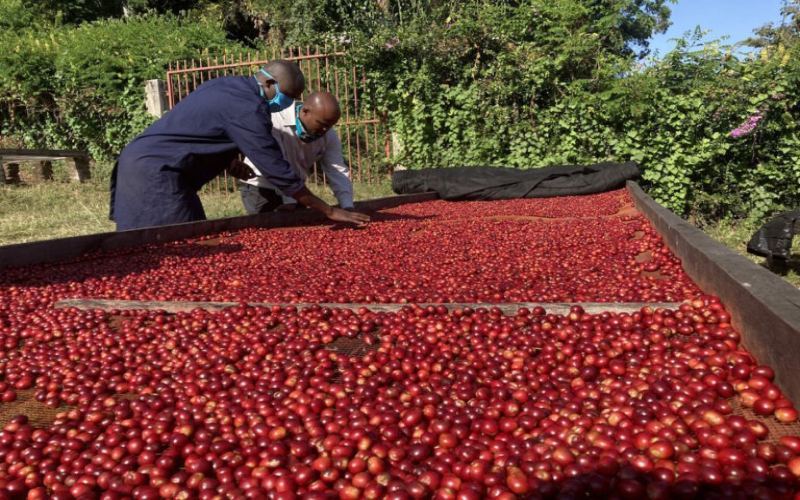
Complete Guide to Kenya PB Round Beans: From SL28 and SL34 Varieties to the K72 Washed Process
Although Kenya is not the birthplace of coffee, its high altitude, large day-night temperature difference, and phosphorus-rich soil give rise to coffee beans with a distinct flavor. This article will guide you through Kenya's coffee-growing geography, the origins of the SL28 and SL34 varieties, the AA and AB grade classifications, and exactly what the unique PB round beans are. At the same time, we will also introduce the Kenya 72-hour washed processing method (K72) recommended by Front Street Coffee, and how to brew a cup of Kenyan coffee with bright acidity and rich layers using the pour-over method. [more…]
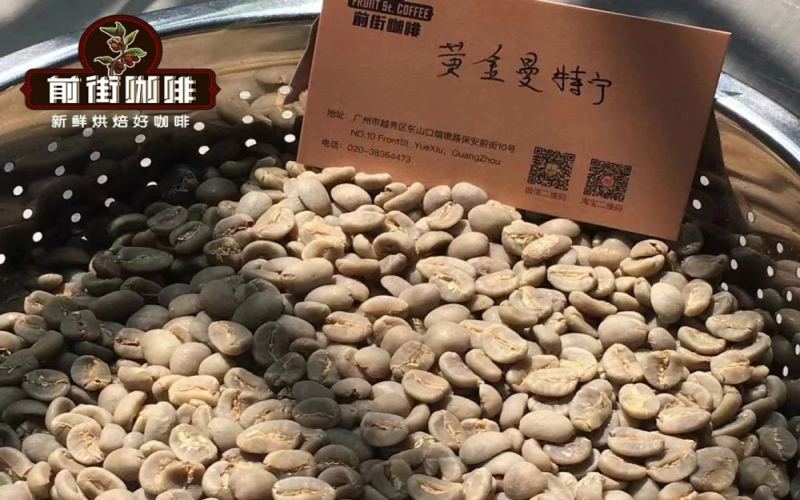
Medium Roast Pour-Over Coffee Bean Rankings | Which Coffee Roast Level Is Best for Beginners? Recommended High-Quality Single-Origin Coffee Beans for Beginner-Friendly Home Brewing
We all know that green coffee beans cannot be directly ground, extracted, or drunk. They need to undergo one more round of processing—roasting—before they can be brewed and tasted. Roasting is an endothermic process for coffee beans. Before roasting, many flavor compounds in green coffee beans cannot be brought out; whether smelled or tasted, they are just a faint grassy note. [more…]
A Complete Guide to Specialty Arabica Coffee Beans: Flavors and Origins from Heirloom Varieties to Hybrid Cultivars
The Coffea genus encompasses a vast number of species, yet the specialty coffee stage is dominated primarily by high-altitude Arabica. From Ethiopia's ancient Typica and Yemen's Bourbon to the spontaneously mutated Bourbon Pointu, Maragogype, and Geisha, and on to deliberately bred varieties such as Caturra and Pacas as well as interspecific hybrids, behind every name lies a story of migration and flavor. This article systematically sorts through the main varieties of specialty Arabica, their origins and lineage, and their cupping performance, and explains why hybrids rarely appear in the product lines of specialty coffee suppliers such as Front Street Coffee. Whether you are a newcomer or a seasoned enthusiast, this variety map will help you understand more clearly where the flavors in your cup come from. [more…]
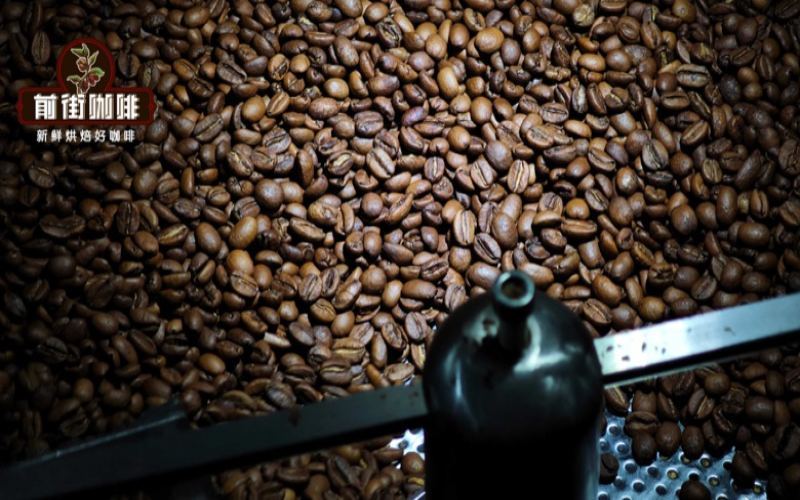
Sweet aftertaste coffee beans: a flavor path with low acidity and lingering sweetness
Beans with understated acidity and a prominent sweet finish place their flavor emphasis on sweetness and aftertaste: natural (dry) processing and medium-dark roasting round off the acidity, leaving a lingering sweetness. Front Street Coffee's Ethiopian Huakui has a sweet finish with a passion fruit aftertaste; the acidity on the palate flashes by, and sweetness takes over the second half. In Kafa Forest, the sweetness actually becomes more pronounced as the temperature drops. [more…]

Moka Pot and Estate Beans: An Espresso-Style Experiment with Niche Varieties
Using a moka pot to brew estate-grade single-origin beans strikes many people as a waste of good coffee: shouldn't good beans be used for pour-over? But if you look at it from another angle, the moka pot is a very low-barrier high-concentration extraction device for home use, and expressing estate beans in a different way often reveals a side you can't see in pour-over. This round of experiments is about taking a few [more…]

bourbon coffee | How many flavor varieties does Bourbon coffee have? Beginner-friendly high-quality Bourbon pour-over coffee bean recommendations
Bourbon Coffee Introduction: Bourbon coffee was first cultivated on the island of Bourbon, now known as Reunion Island, located about 650 km east of the famous Madagascar. Along with Typica, Bourbon is considered one of the oldest existing high-quality coffee varieties. Tracing its roots, [more…]
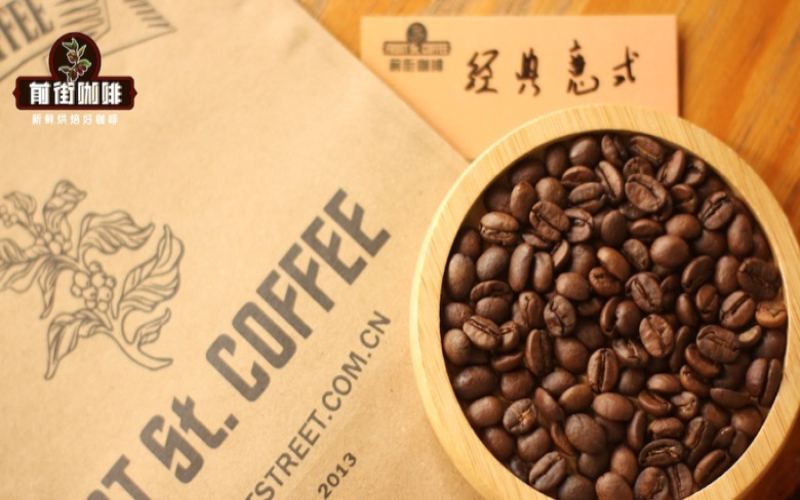
Discussing Commercial Espresso from a Menu Structure Perspective: How a Shop Should Establish Its Base Bean
Looking at a coffee shop's bean list tells you a lot about how that shop thinks. Some shops have very long lists, packed with single origins, blends, and limited releases; others carry only one or two espresso beans year-round, yet make every cup solid. For most cafes, the core of a commercial espresso bean list isn't quantity—it's staying power—one [more…]
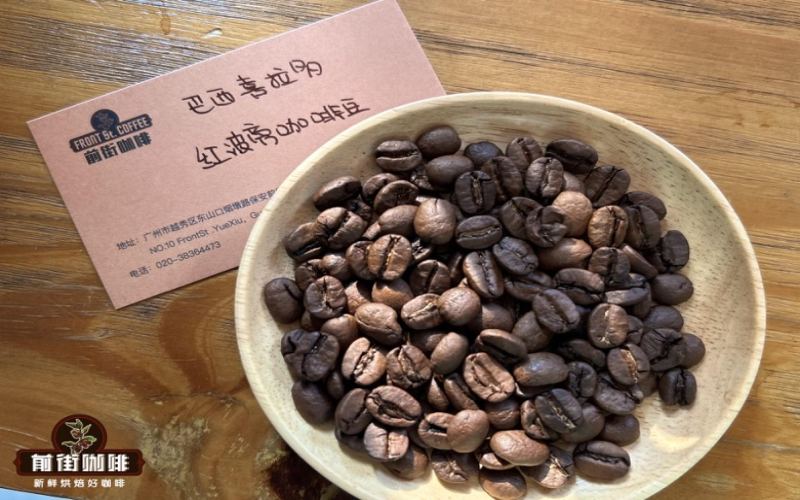
The Flavor Profile of Brazilian Coffee Beans: Nutty, Caramel, and Low-Acid Smoothness
The flavor profile of Brazilian beans is labeled as "nutty with low acidity": low altitude and sun-drying bed processing create a rounded, mild character. Front Street Coffee's Papua New Guinea Bird of Paradise, though produced in a neighboring country, follows the same flavor path as Brazil—clean, rounded, with soft sweetness; if you want the Brazilian flavor, look for nutty, caramel, and low acidity. [more…]

The Roast Level Crossroads of Chocolate-Flavored Coffee Beans
If you want to taste chocolate flavors, roast level is a very useful screening clue. Light roasts tend to retain more of the bean's bright aromas, and the chocolate note may show up as cocoa powder, milk chocolate, or a sweet aroma with fruity acidity; medium roasts connect caramel, nuts, and cocoa, giving a round mouthfeel; dark roasts come closer to dark chocolate, roasted [more…]
Non-Acidic Pour-Over Coffee Bean Recommendations: How Gear, Parameters, and Bean Flavor Work Together
The same beans will perform noticeably differently in different brewing devices. Pour-over emphasizes aroma and clarity, espresso machines highlight intensity and sweetness, and a moka pot requires balancing pressure, heat, and the coffee bed. Bean selection cannot be separated from the brewing device, and the parameters must also be adjusted accordingly based on the roast level of the beans. Dark roasting will push the flavor toward cocoa, [more…]
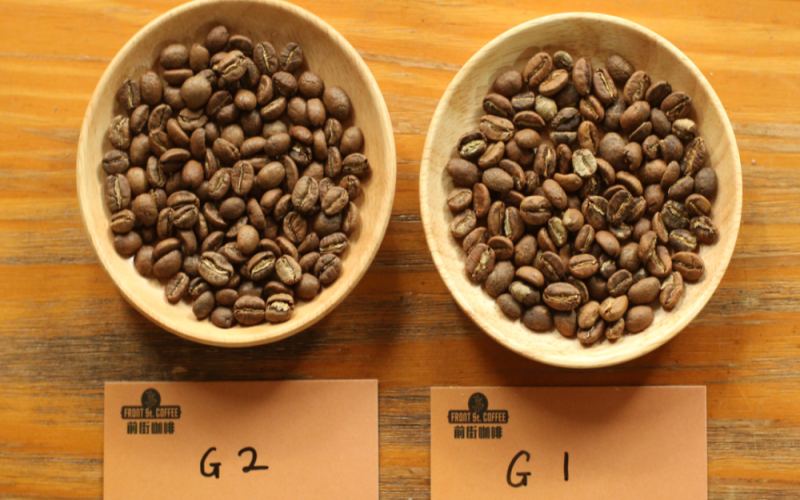
An Introduction to Green Coffee Bean Grades | A Comparison of Coffee Bean Characteristics, Flavor, and Taste Across National Green Coffee Bean Grading Systems: G1, G2, AA, PB, SHB
For more specialty coffee knowledge, please follow our WeChat official account: Front Street Coffee (FrontStreet Coffee). Many friends, while drinking coffee at Front Street, ask our baristas, "What is Yirgacheffe G1 and Yirgacheffe G2?" "What is Kenya AA, AB?" What is Guate... [more…]
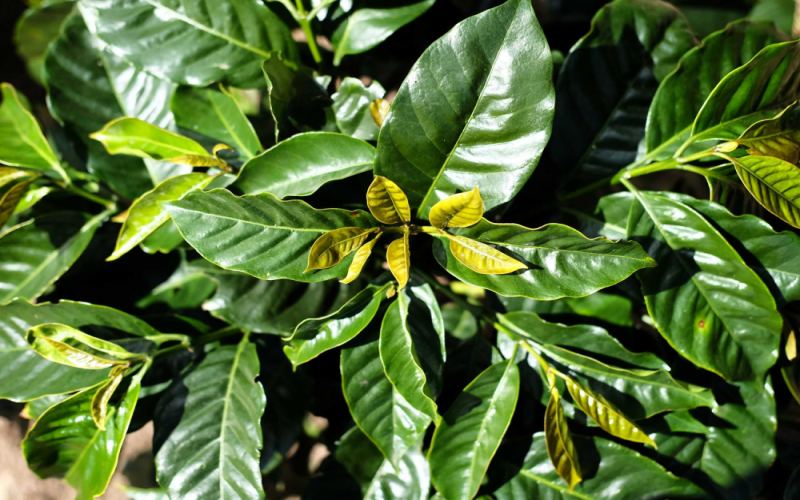
The Arabica Coffee Variety System | What types of Arabica coffee beans are there? Is the difference between Arabica and Robusta coffee significant?
It is often said that delicious coffee is inseparable from its variety, and currently the most common are Arabica coffee beans and Robusta coffee beans, which are the two most common bean types. The Arabica variety is considered the best among all varieties, mostly appearing as specialty coffee, and its overall flavor is also relatively good. Our famous Blue Mountain Coffee [more…]

How to Choose Authentic Blue Mountain Coffee Beans: How Equipment, Parameters, and Bean Flavor Work Together
The same beans brewed in different devices will show noticeably different results. Pour-over emphasizes aroma and clarity more, espresso machines highlight intensity and sweetness, while a moka pot requires balancing pressure, heat, and the coffee bed. Bean selection cannot be separated from the brewing device, and the parameters should also be adjusted according to the roast level of the beans. The origin name provides a flavor profile line. [more…]

To avoid sourness with a moka pot, choose your roast level this way
Coffee brewed in a moka pot is quite concentrated, and the roast level of the beans directly affects how it tastes. If you prefer a cup that is round, clearly sweet, and not dominated by acidity, you can narrow your bean choices to the medium to dark roast range, then narrow further based on whether you add milk and whether you like a heavy body. Rather than fixating only on the name of the origin, the roast [more…]
A Detailed Guide to the Flavor Characteristics of Colombian Specialty Coffee Bean Regions: From Emerald Coffee to Andean Mountain Mellow Coffee
Colombian coffee is one of the few single-origin coffees sold worldwide under a country's name, and is renowned as the "Emerald Coffee." It is grown in the highlands of the Andes in northwestern South America, where the mild climate and humid air provide an ideal "natural pasture" for Arabica coffee. Colombian coffee is famous for its acidity with a hint of sweetness, mild bitterness, and excellent balance, with a silky, soft mouthfeel, a rich and full-bodied aroma, a bright, high-quality acidity, and sometimes a nutty nuance. The country's coffee-growing regions are divided into more than 200 grades, and harvests occur year-round, making it the world's largest exporter of washed Arabica coffee beans. This article will comprehensively analyze the unique charm of Colombian specialty coffee from the perspectives of its production background, flavor characteristics, geography and climate, cultivation management, and export system. [more…]